
Is Hormone Therapy Still an Option 10 Years After Menopause? Mary’s Story
Case Study Spotlight: Individualized Care 10 Years After Menopause
Inside: Dr. Martinez’s new book, key nutrients for menopause, and gentle gut relief.
Meet Mary, a 60-year-old woman who was approximately 10 years post-menopause when she first arrived at Nourish. Like many women, she was silently enduring a frustrating cluster of symptoms that were significantly impacting her daily quality of life:
- Persistent, disruptive hot flashes
- Absent libido and painful intercourse
- Joint stiffness and body aches
- Fatigue and morning sluggishness
- Periodic vertigo and unexplained weight gain
One of the most common misconceptions I see in practice is the belief that being 10+ years past your final menstrual period means Menopausal Hormone Therapy (MHT) is completely off the table. While timing matters, persistent vasomotor symptoms and hormonal depletion can continue well into post-menopause. With thorough risk assessment, safety screening, and shared decision-making, systemic MHT can still be safely and effectively personalized.
Step 1: Comprehensive Safety Screening & Testing
Before starting systemic therapy, we prioritized a comprehensive cardiovascular and breast health baseline:
- Normal Screening Mammogram: Completed within the prior year.
- Coronary Artery Calcium (CAC) Score: Obtained to evaluate for underlying atherosclerotic cardiovascular risk before initiating systemic therapy.
- Diurnal Cortisol Evaluation: Testing revealed low morning cortisol levels contributing to her persistent morning exhaustion.
Step 2: The Multi-Phase Treatment Plan
Because menopause impacts multiple physiological systems, we utilized an integrative, layered protocol:
1. Targeted Hormone Optimization
- Micronized Progesterone (100 mg nightly): Substantially improved her restorative deep sleep and evening relaxation.
- Transdermal Estradiol Patch (twice weekly): Significantly reduced hot flashes, relieved joint pain, improved energy, and eliminated her vertigo.
- Local Vaginal Estradiol: Directly restored tissue elasticity and resolved painful intercourse and genitourinary symptoms.
- Low-Dose Compounded Transdermal Testosterone: Added after initial stabilization to address persistent low libido, resulting in significant improvement.
2. Metabolic, Adrenal & Body Composition Shifts
Hormone therapy was only one pillar of Mary’s recovery. To tackle stubborn weight gain and low energy, we overhauled her daily routine:
- Adrenal & Circadian Support: Targeted herbal and nutrient support helped restore her morning cortisol rhythm and energy.
- Rethinking Exercise: Mary had previously been doing excessive cardio without seeing results. We shifted her focus to progressive strength training twice weekly with less emphasis on taxing cardio.
- Prioritizing Protein & Fiber: Rebalanced her plate around foundational macro- and micronutrients.
- Low-Dose GLP-1 Support: Introduced when lifestyle adjustments and MHT alone needed additional metabolic momentum.
The Result
Mary experienced a complete transformation: her hot flashes and joint pain vanished, sleep and intimacy were restored, and follow-up DEXA/body composition scans showed meaningful weight loss with complete preservation of lean muscle mass.
Menopause care is never “one-size-fits-all.” By combining individualized hormone therapy with metabolic, nutritional, and resistance training strategies, we can address the areas that hormones alone cannot resolve.
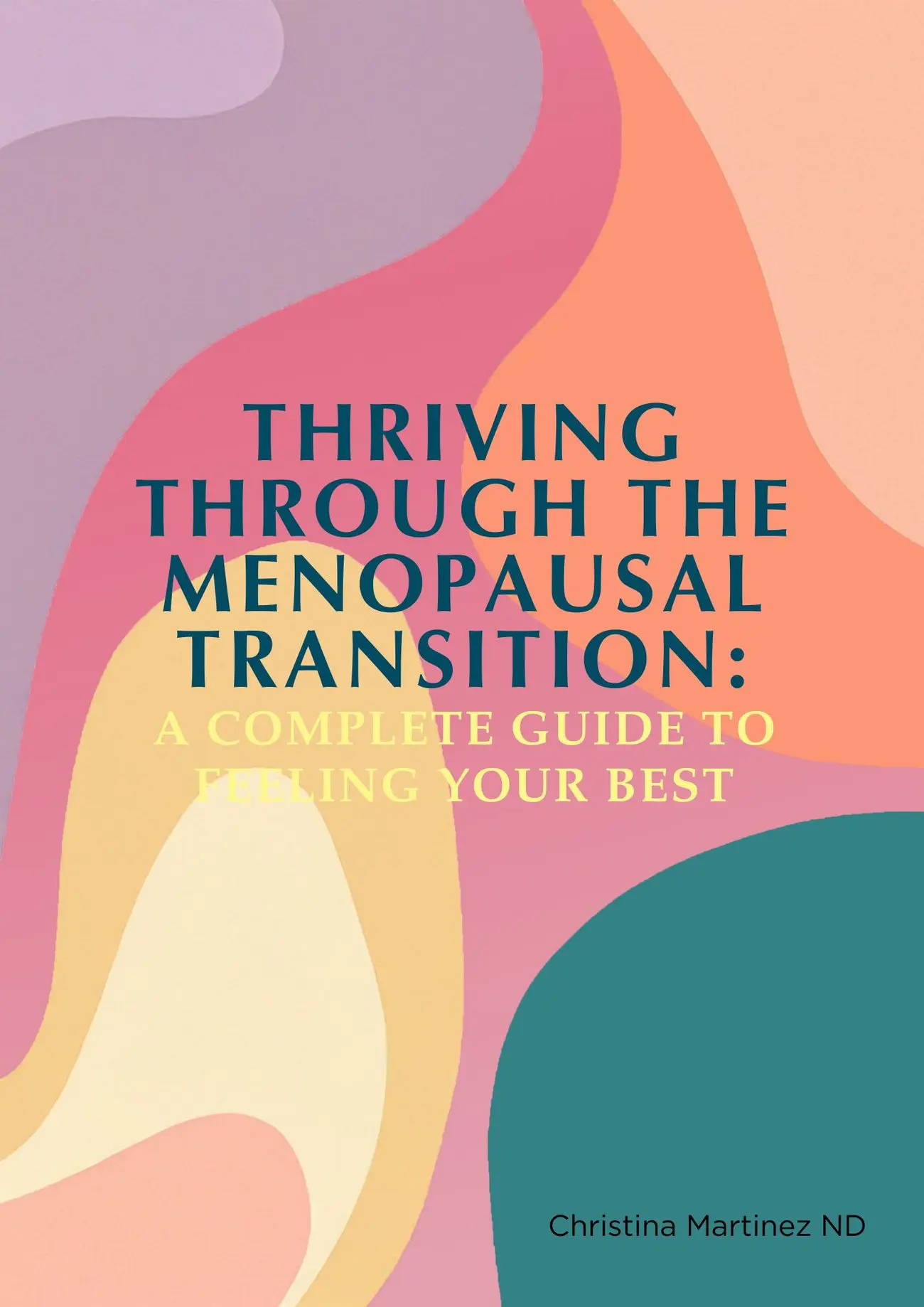
📖 My New Book: Thriving Through the Menopausal Transition
I wrote this comprehensive guide to give women the complete roadmap to navigating perimenopause and menopause with confidence. Inside, we explore the full spectrum of evidence-based care:
- Menopausal Hormone Therapy (MHT) and safety guidelines
- Bone density, cardiovascular protection, and lab testing
- Targeted supplementation, weight management, and metabolic health
- Nutrition, sleep, and sustainable lifestyle strategies
🥗 Top Nutrients in Menopause: Protein & Fiber
Two dietary areas I find myself emphasizing most frequently with patients are adequate protein and dietary fiber:
- High-Quality Protein: Essential for stimulating muscle protein synthesis, preserving bone density, and stabilizing metabolic rate as estrogen levels decline.
- Soluble & Insoluble Fiber: Critical for balancing blood sugar, binding excess metabolized hormones in the gut, and supporting a healthy microbiome.
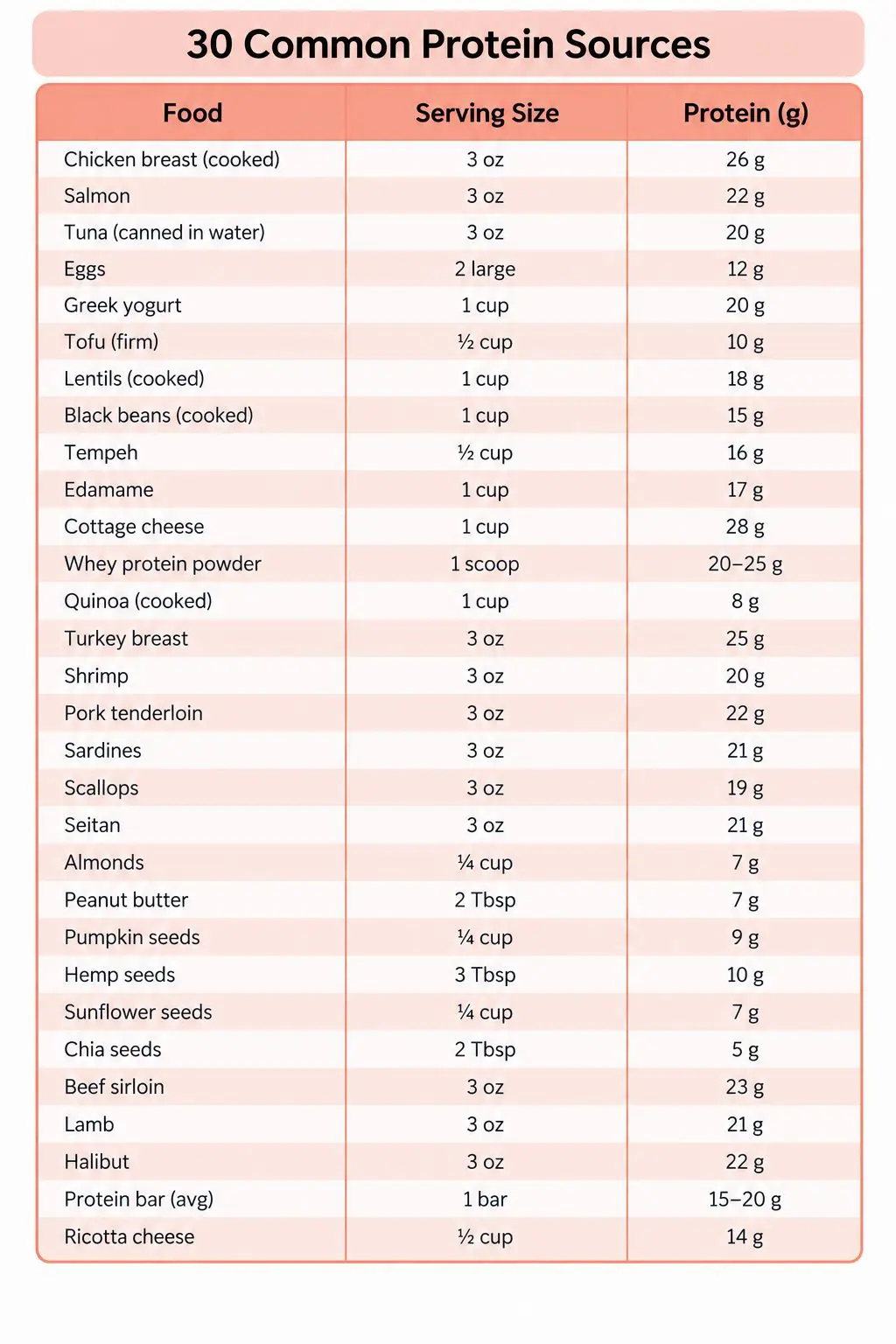
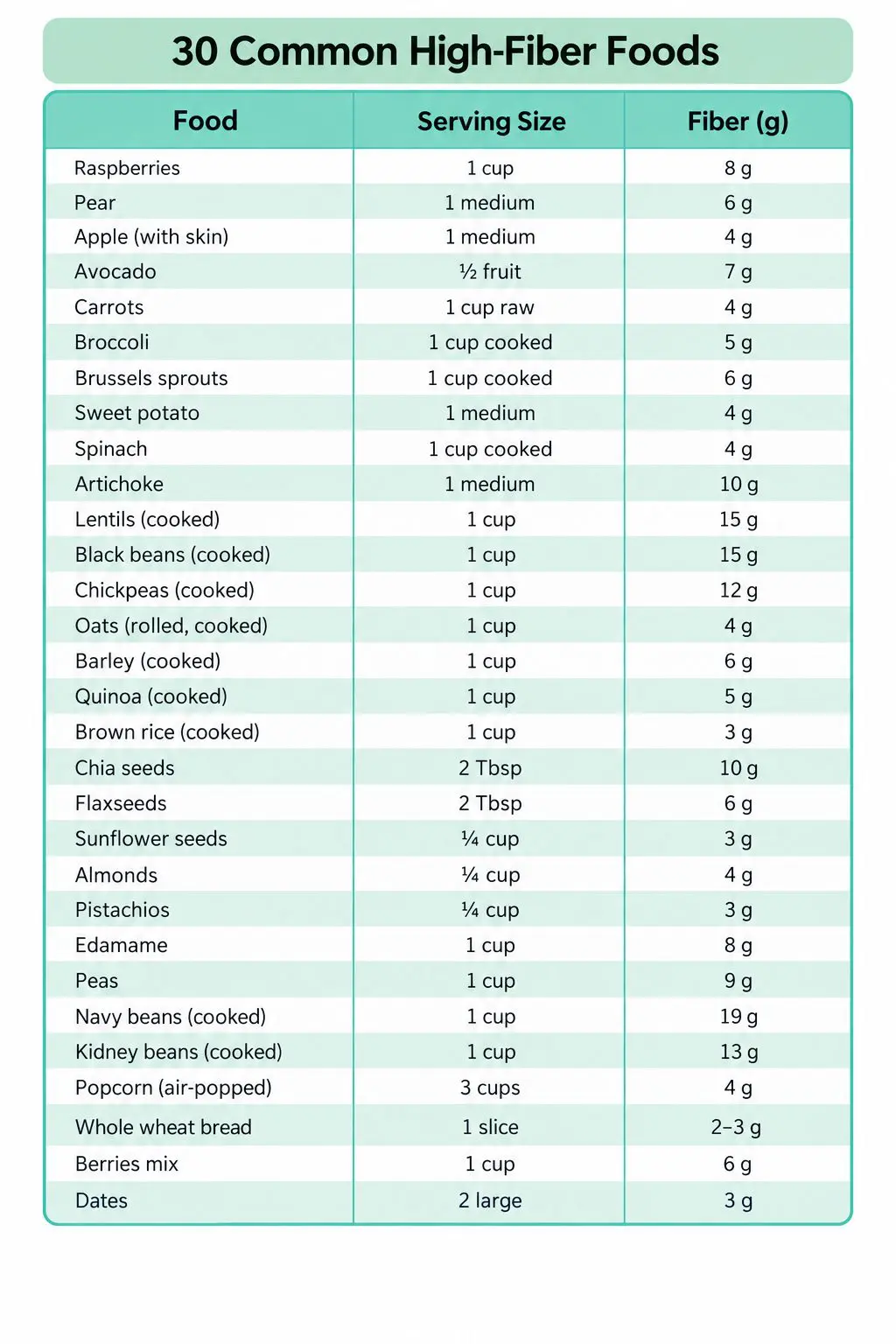
Tap a chart to view it full size.
🌿 Supplement Spotlight: Renew Life Cleanse More
Sluggish digestion and constipation are common hormonal complaints during the menopausal transition. My favorite supplement to highlight this month is Cleanse More by Renew Life.
Formulated with magnesium and soothing digestive herbs (like cape aloe, rhubarb, and marshmallow root), it provides gentle overnight bowel motility support. It has consistently delivered reliable, comfortable relief for my patients struggling with stubborn digestive slowdowns.


Whether you are entering perimenopause, navigating the menopausal transition, or are years post-menopause, you deserve a root-cause plan tailored to your unique physiology.
📞 Questions? Call us at (619) 345-3111.
This case study is shared for educational purposes only. Individual results vary. This content is not medical advice; talk with your Nourish provider before starting or changing any hormone therapy, medication or supplement. These statements have not been evaluated by the Food and Drug Administration. These products are not intended to diagnose, treat, cure or prevent any disease.
We’d love to hear from you!