Rashes, Fatigue, Joint Pain: What Your Body May Be Telling You
DR. KOPERSKI'S TOP 3 PICKS FOR THE MONTH
Handout: How to Test and Treat Mold & Mycotoxins
My “How to Test and Treat Mold & Mycotoxins” guide breaks down exactly how I evaluate mold exposure and assess impacted systems — from urine mycotoxin testing and GI stool analysis to blood markers for CIRS, nasal swabs for MARCoNS, and even proper home testing like ERMI and HERTSMI-2. I created this because I was tired of seeing patients chase symptoms for years without anyone looking at environmental triggers. Mold is treatable — but only when you understand the sequence: avoidance, foundational support, binders, repair, and then strategic antifungal treatment.

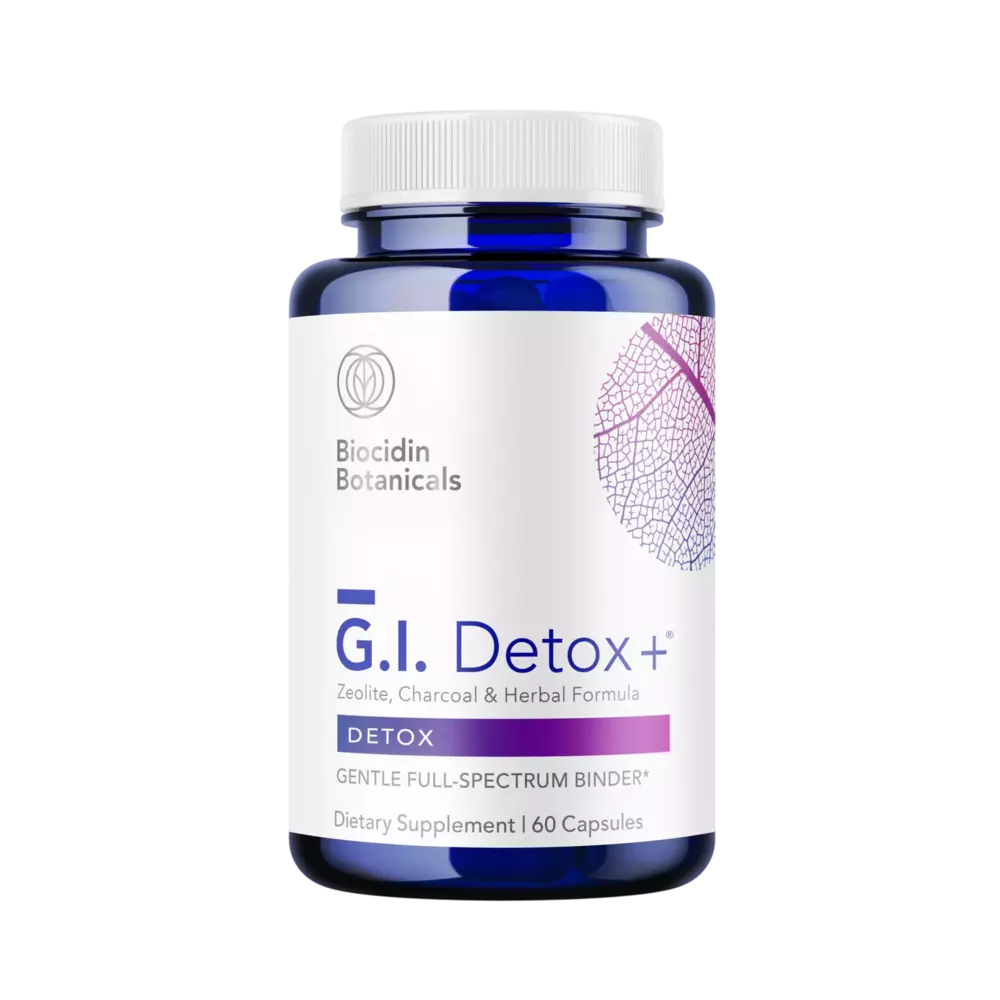
Supplement: GI Detox – Biocidin Botanicals
Why do I recommend this?
In autoimmune and mold cases, binding toxins is critical. If toxins recirculate, inflammation persists. GI Detox is gentle, well-tolerated, and effective for binding mold toxins while supporting microbiome balance. I use this frequently in patients with positive ANA and environmental exposure history.
Who is this best for?
This is great for patients with mold exposure, positive autoimmune markers, chronic skin issues, or unexplained inflammation.
Lab: Vibrant Wellness Total Toxin Burden Panel & RealTime Labs Mycotoxin Testing
What does it test for?
These advanced urine panels measure mold-derived mycotoxins and other environmental toxicants that may be driving inflammation, immune activation, and hormone disruption. RealTime Labs focuses specifically on clinically relevant mycotoxins, while Vibrant’s Total Toxin Burden panel expands the picture to include multiple environmental toxins impacting overall load.
Why do we need this information?
Early in my work treating Lyme disease, chronic fatigue syndrome, fibromyalgia, mast cell activation, autoimmune conditions, hormone dysregulation, and complex gut disorders, I noticed many patients reacting poorly to treatments that should have helped. It became clear to me that underlying environmental toxicant exposure — especially mold — was often driving immune activation and lowering treatment tolerance. Now, I prioritize evaluating toxic burden upfront, because when we reduce that load first, infections, inflammation, and hormone imbalances respond more effectively to care.
Who should get this test?
I recommend this testing for patients with positive autoimmune markers, persistent fatigue, unexplained inflammation, hormone imbalance, or a history of water-damaged buildings — because when we reduce toxic burden first, infections and chronic conditions respond far more effectively to treatment.
These advanced urine panels go beyond symptom guessing — we measure mold-derived mycotoxins and other environmental toxicants that can drive inflammation, immune activation, and hormone disruption.

CASE STUDY SPOTLIGHT
Meet Samantha, 32, a high-performing Senior Creative Strategy Director planning her wedding and hoping to start trying to conceive within the next two years. She came to me with worsening skin rashes and psoriasis she’d had since her teens, worsening acne around her cycle, bloating after meals, joint pain, chronic fatigue, and irregular cycles with PMS.
Her previous labs were “normal,” but her ANA was positive — something no one had fully addressed — and she was increasingly anxious about what that meant for her long-term health and fertility. When I ran a comprehensive workup including an expanded autoimmune panel, GI-MAP with Zonulin, and RTL mycotoxin testing, we found positive ANA with Centromere B antibodies associated with connective tissue disease, elevated ochratoxin A & gliotoxin from mold exposure, gut dysbiosis, low vitamin D, and prediabetes.
Rather than waiting for progression into limited systemic sclerosis or another connective tissue diagnosis, we implemented an autoimmune-focused nutrition plan, targeted gut repair, mold-binding support, immune-modulating nutrients, and environmental remediation. Within 6 weeks her inflammatory skin lesions began resolving and her energy improved; by 3 months her vitamin D and folate normalized, A1C improved from 5.8 to 5.2, hormones stabilized, acne significantly reduced, and joint discomfort resolved.
She told me, “I came in terrified of what this meant for my future — now I feel strong, steady, and like I finally have control over my health again.”

Symptoms are not random — they are early indicators of dysfunction.
Rashes, fatigue, bloating, joint pain, and worsening PMS often signal immune strain, and when these warning signs are dismissed, chronic inflammation quietly builds, increasing the risk of developing or progressing autoimmunity — particularly during hormonally vulnerable seasons like trying to conceive, postpartum, or perimenopause. Environmental toxicants such as mold, endocrine disruptors, ultra-processed foods, and glyphosate further drive immune activation and gut permeability, and in conditions like endometriosis, mast cell–driven histamine can fuel estrogen dominance, inflammation, and pain in a self-perpetuating cycle.
My work is about identifying and calming these patterns as early as possible — and even if a diagnosis is already present, there is tremendous opportunity to reduce inflammation, support the immune system, and meaningfully improve long-term outcomes.